


Stress at work has become a constant companion for many. Too often, we listen to colleagues trading stories of late nights, skipped meals, or proud declarations of never taking a proper break. These conversations have a pattern, a silent agreement that stress is simply the price we pay for results. But we believe it is time to question this agreement. Why have we allowed constant stress to become the default status in our work culture? More importantly, how can we shift to healthier, more conscious ways of managing demanding workloads without sacrificing both well-being and results?
How stress became the new normal
Looking around, we see a familiar cycle. Tight deadlines, mounting emails, and back-to-back meetings have redefined what we call “normal.” Technology was meant to help, but it frequently ends up stretching work hours into personal time. Appreciation is often reserved for those who can “handle the heat,” reinforcing the idea that exhaustion signals commitment. The result is a culture that sees stress as an expected condition, not a warning light.
Normalizing stress means we accept discomfort and imbalance as necessary parts of our daily routine.
We’ve spoken with professionals who have adjusted to this environment almost unconsciously. Their sleep suffers. They become irritable. Joy fades from their work. Yet, they believe this is simply the modern way. We question this. Should unending pressure be celebrated? Or is it time to pause and rethink?
The hidden cost of everyday stress
Stress is not something we can sweep under the rug. Its effects show up everywhere, in our bodies, minds, relationships, and decision-making. For many, chronic tension becomes “just part of the job,” until headaches, insomnia, and burnout make it impossible to ignore.
- Physical symptoms: headaches, fatigue, muscle tension, lowered immunity.
- Emotional consequences: anxiety, irritability, difficulty concentrating, loss of motivation.
- Wider impact: strained relationships, poor teamwork, less creativity, increased mistakes.
We have seen how organizations with unchallenged stress end up less resilient in the long run. Turnover rises. Trust erodes. Performance suffers. Instead of fostering sustainable growth, constant pressure creates an unstable foundation.
What is a conscious approach to workload?
When we say “conscious,” we do not mean simply being aware that we are stressed. We mean a deliberate, ongoing effort to notice, question, and respond wisely to the pressures we face, both as individuals and as groups.
A conscious approach asks:
- From what intention are we acting?
- Are our goals aligned with healthy, human values, or just numbers?
- Is there room for rest, dialogue, and growth within our schedule?
Managing workload consciously means we treat our energy as valuable, not disposable.
This approach often starts with conversations that reveal previously hidden assumptions. Suddenly, a team may notice that their “hustle” is not a badge of honor, but a signal that things need to change. Leaders play a key role, their example creates permission for others to slow down, set clear priorities, and respect real limits.

Changing the story: Questions to ask
Rewriting our relationship with stress does not happen overnight. But it does begin with honest reflection. We often suggest starting with a simple set of questions:
- What stories am I telling myself about why I “have” to be stressed?
- Where do I push myself (or others) past healthy limits?
- Who gets rewarded, and for what things, in my environment?
- How do I define “success,” and is it costing me my peace?
We find these questions often bring unexpected answers. Sometimes, people realize they can slow down in small ways without negative results. Sometimes, whole teams find the courage to adjust deadlines, delegate better, or change expectations. The way forward is not one big fix, but many small, mindful shifts.
Practical conscious approaches for healthier workload management
So how do we move from theory to practice? In our experience, conscious workload management requires several key habits. None are complicated. The challenge is consistency, not complexity.
1. Name and measure stress
When we check in with ourselves and each other, stress comes out of hiding. Holding space for honest conversations (even short ones) gives permission for real needs to surface. Informal check-ins, mood tracking, and quick assessments can help a team notice early warning signs before stress spirals out of control.
2. Prioritize core tasks and real sources of value
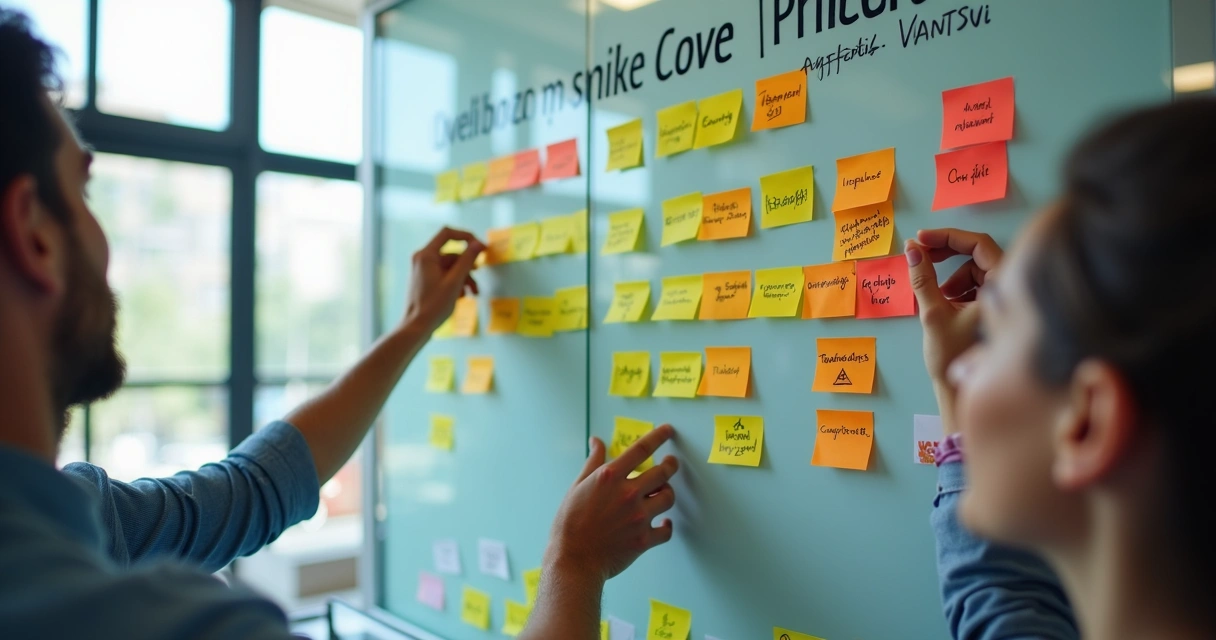
Many people feel overwhelmed because everything seems urgent. In reality, only some activities deserve urgent attention. We recommend sorting tasks regularly, what truly moves the work forward, and what can wait or be skipped entirely?
- Ask: Will this task matter three months from now?
- What can be automated, delegated, or dropped?
- Can expectations be reset without negative impact?
Ruthlessly focusing on the essentials helps lighten the load without loss of overall quality.
3. Build conscious pauses into the routine
We have heard countless stories from people who reclaimed their energy through simple, regular breaks. Stretching, walking, even two minutes of focused breathing can interrupt the cycle of stress. These short resets are more than just “time away”, they are a way of telling ourselves that being human takes priority over being a machine.
4. Honest communication and boundary-setting
Much stress comes from unclear boundaries and unspoken expectations. We encourage transparent discussions about capacity, limitations, and support. Saying “no” or “not yet” can feel risky at first, but often invites deeper respect and trust in the long run.
Setting boundaries is not selfish; it is wise stewardship of energy and focus.
5. Choose conscious leadership at every level
Leadership is not a job title. Everyone shapes the climate of their team or organization. We see great results when people at every level model healthy practices, question unhealthy patterns, and foster a culture of compassion. When leaders take rest seriously, others follow suit. When leaders invite feedback and support, stress becomes a problem to solve together, not a secret to hide.
The deeper impact: From stress-driven to value-driven work
When we stop normalizing stress, new possibilities arrive. People rediscover meaning in their work. Relationships strengthen. Decisions become wiser, less reactive. Workplaces shift from places of survival to spaces for genuine growth. The benefits go far beyond just personal well-being, they touch the whole culture, from how we innovate to how we care for one another.
We choose whether stress is our master, or awareness is our guide.
Conclusion
Shifting away from normalized stress starts with awareness, then action. It is not about making everything easy, but about changing the way we relate to work, energy, and success. We can choose to treat pressure as a guide, not a status symbol. Through small, consistent steps, new stories form, ones where well-being and performance support each other, instead of fighting for attention.
Frequently asked questions
What is stress normalization at work?
Stress normalization at work happens when ongoing tension and pressure are treated as a usual and expected part of work culture. This leads people to ignore warning signs, hesitate to speak up, or even feel ashamed for needing support or rest. Over time, it creates unhealthy patterns that are difficult to change.
How can I manage workload consciously?
Managing workload consciously involves regular self-checks, honest conversations, and choosing tasks that truly matter. We recommend setting clear priorities, building in regular pauses, and creating boundaries for both work and rest. Conscious workload management means taking care of energy as much as results.
What are the risks of normalizing stress?
Normalizing stress risks long-term harm to health, trust, and job satisfaction. It often leads to burnout, frequent illnesses, and reduced innovation. Teamwork breaks down, mistakes rise, and employees may disengage or leave. Treating stress as normal endangers both individuals and organizations in the long run.
How to avoid burnout from heavy workload?
To avoid burnout, we recommend checking in with your energy levels often, prioritizing rest, and setting realistic limits. Engage in supportive communication, delegate where possible, and take frequent breaks. If you notice warning signs, talk to trusted people early rather than letting things build up.
What are healthy stress management techniques?
We find that regular movement, mindfulness, clear prioritization, and honest dialogue help most people. Building in short, frequent breaks and practicing focused breathing can make a noticeable difference. Balancing challenging tasks with supportive relationships also reduces overall tension. Healthy stress management is about balancing action, rest, and connection, every day.