
Remote work has now moved beyond being a temporary fix—it's become a foundation for many teams worldwide. Yet, beneath the tools, calendars, and scheduled video calls, an invisible force shapes our virtual spaces: unconscious values. These silent drivers—beliefs we've inherited, patterns we've absorbed—affect our attitudes, behavior, and how we relate. If we overlook them, we risk building remote work cultures that are, unintentionally, unfair, unbalanced, or unsatisfying.
Unconscious values: The silent influencers
Not everything that impacts a workplace happens in plain sight. Invisible beliefs and emotional habits color how we work, lead, and connect—even more so when we're scattered and separated by screens.
Unacknowledged patterns will build the culture for us if we don’t question them.
Here are five key ways that unconscious values affect remote work cultures today:
The top five ways unconscious values shape remote work
1. Communication styles remain unexamined
We like to think we’re objective about how we speak and listen, but our preferred ways of communicating are shaped by deep habits and emotional scripts learned over time. In a remote setting, these show up more strongly:
- Some people are direct; others value politeness and context more than speed.
- Some avoid conflict by holding back in group chats, while others are comfortable debating, even in public threads.
- Managers may unconsciously reward participation in meetings while overlooking those who are more reflective and email-focused.
This leads to misunderstandings and even exclusion. We’ve seen situations where brilliant ideas are missed—not because of bad intent, but because the team’s “normal” communication style unconsciously pushed quieter voices aside.
2. Notions of trust and accountability differ
In any team, trust is important. But each person brings silent expectations about what trust and accountability should look like. Some feel trusted if they're given autonomy. Others need frequent check-ins and feedback. In remote work, assumptions like:
- “If I see you online, I know you’re working”
- “If you respond quickly, you care”
- “Taking a break means you’re slacking off”
Can become sources of stress and resentment.

Without making our definitions explicit, remote employees may misread colleagues' intentions or think they’re being judged by invisible standards.
3. Work-life boundaries reflect hidden priorities
When our lives moved online, so did our assumptions about balance. Unconscious values define what “enough” commitment, presence, and responsiveness look like. For some, sending emails after hours signals dedication. For others, it reveals poor boundaries. Some teams celebrate clocking out on time; others see visible exhaustion as a badge of honor.
These clashing priorities can silently pressure people to overwork, hide struggles, or disengage, all of which affect morale and performance. Consider a parent silently judged for camera-off moments, or a teammate who replies less after 6 pm and gets labeled less committed. None of these outcomes are intentional—but they are real.
4. Decision-making reveals hidden hierarchies
Remote work was supposed to flatten hierarchy. Ironically, hidden values about power, expertise, and “who matters” can become more prominent when we work apart. In the absence of coffee breaks or informal chats, decisions may:
- Rely more on senior voices, since junior staff hesitate to “interrupt” on Slack.
- Get made in backchannel conversations, missing wider input.
- Reflect old assumptions about who is “in the loop.”
Invisible power dynamics often go unchecked, making some teammates feel invisible. We once watched a project stall because team members were reluctant to speak up in front of a manager they rarely saw—unspoken authority travels quickly through screens.
5. Inclusion efforts can unintentionally exclude
Every company wants to be inclusive. But our mental models about what “good teamwork” looks like are often shaped by experience, privilege, and old habits. When these are not discussed, remote inclusion efforts may create new barriers:
- “Fun” rituals that leave out those with caregiving duties or in different time zones.
- Assuming everyone can be “camera on” all day, or ignoring different comfort levels with chat, email, or video.
- Defaulting to cultural references that aren’t universal.
These patterns often go unnoticed by those who set them. Yet, they shape which team members thrive—and which feel unseen.
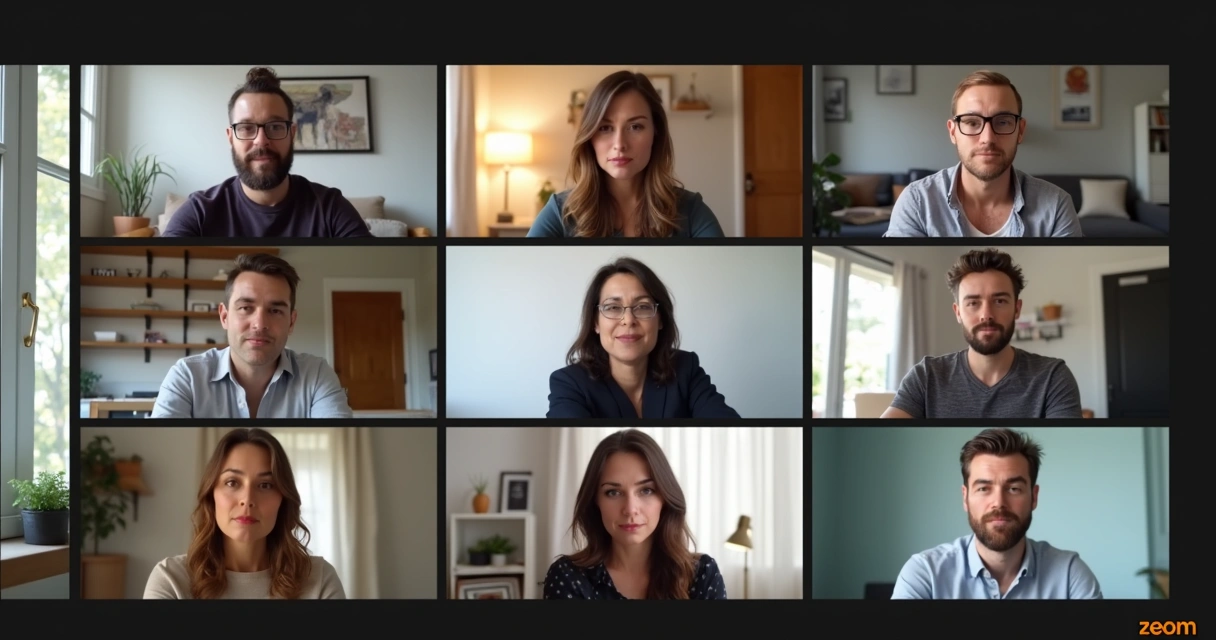
How can we start to surface unconscious values?
Self-examination helps, but it’s not enough. We think that surfacing “invisible” culture starts with asking better questions, such as:
- Who gets listened to, and why? Who doesn’t?
- When do voices go silent on our team—and what unspoken rule is behind that silence?
- What does “dedication” look like to us? Does everyone agree?
- How do we handle disagreement or uncertainty?
As we get honest about these patterns, we create a different conversation—one that welcomes discomfort but leads to real change.
Culture is not what we declare. It is what shows up when no one is watching.
What happens if we ignore unconscious values?
Some signs are subtle: new hires don’t stay long, feedback dries up, or teams split quietly into cliques. Others hit harder: breakdowns in communication, morale drops, or burnouts rise. Ignoring unconscious values doesn’t make them disappear—it only lets them run the show in the background.
If we notice frustration, hidden competition, or unfairness in remote teams, it’s time to ask if there’s something deeper at play.
How can remote teams shift their unconscious values?
We’ve found that “fixing” remote culture usually doesn’t begin with more tools or tighter rules. It begins with awareness. Steps that help include:
- Honest discussions about what we reward and what we ignore
- Inviting feedback, especially from those who seem quiet or less engaged
- Questioning long-standing habits—like meetings or rituals—that may not serve everyone
- Making room for different communication and work styles
By naming silent assumptions, we set the stage for teams where everyone can show up, contribute, and feel fair respect—no matter the distance.
Conclusion
Our remote work cultures will always reflect hidden values, whether or not we choose to address them. When we surface, question, and reshape these unconscious patterns, remote teams can be more open, healthy, and rewarding for everyone. The real work of building culture starts with bringing what is hidden into the light—together.
Frequently asked questions
What are unconscious values in remote work?
Unconscious values in remote work are the hidden beliefs, emotional habits, and unwritten assumptions that shape how teams behave, communicate, and make decisions, often without people realizing it. These can include beliefs about trust, work hours, leadership, or what it means to be a “good team player.”
How do values shape remote team culture?
Values are the ground rules—spoken or unspoken—that define what is accepted, rewarded, or frowned upon in a remote team. They influence daily habits, relationships, and the level of trust or fairness that’s present in the team’s culture. When values are unconscious, they can drive actions in ways that contradict stated company ideals.
Can unconscious bias affect productivity remotely?
Yes, unconscious bias can impact both individual and team performance in remote work. For example, leaders may give more attention to those who show up on camera or speak up in meetings, indirectly ignoring quieter or less visible team members. This can affect who gets opportunities and how well the team collaborates.
How to identify hidden team values?
Question current practices and look for patterns, such as who gets heard, how feedback is handled, and what behavior is rewarded or discouraged. Anonymous surveys, open discussions, and feedback from new hires can reveal values that the team may not even notice.
What are examples of unconscious values?
Examples include beliefs like “working late is evidence you care,” “quick replies show commitment,” “conflict should be avoided,” or “senior staff know best.” These silent rules often guide choices, even when no one has officially stated them.