
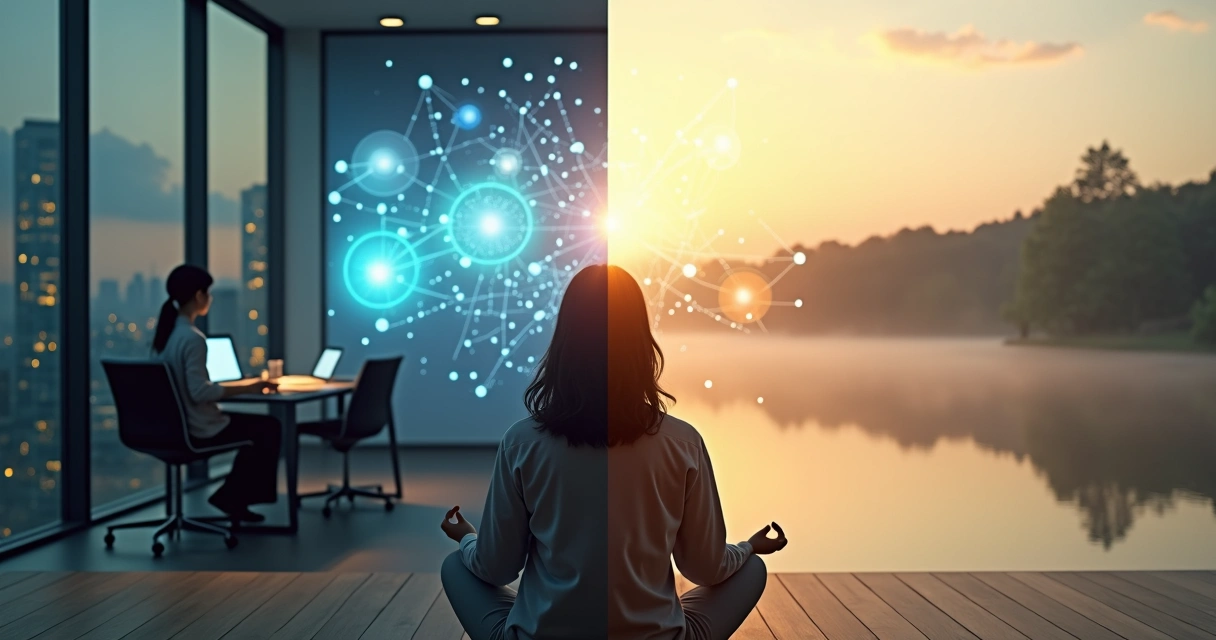
The popularity of mindfulness practices has opened doors to new conversations about awareness, inner balance, and leadership. Yet, as we have seen in many real-life settings, not all contemplative practices yield the same outcomes. Many readers have heard about mindfulness, but Marquesian meditation is less familiar. We want to help make the differences clear, bring forward the unique elements of each, and shed light on glaring gaps that often go unnoticed.
Understanding the foundations
Mindfulness is generally rooted in maintaining awareness of the present moment, often emphasizing acceptance and non-judgmental observation. Usually, practitioners are guided to focus on their breath, sensations, or surroundings, letting thoughts come and go without engagement. This approach reduces stress, supports calm, and sharpens moment-to-moment awareness.
By contrast, Marquesian meditation steps beyond observation. Its focus is not just on presence, but on transforming the quality of that presence—aiming for an inner shift that unfolds through ethics, emotional maturity, and expanded consciousness. The journey is not passive; it’s directed.
Awareness is the door. Intention is the key that turns it.
The gap in intention and direction
One of the starkest gaps we have noticed lies in purpose. Mindfulness typically centers on creating a calm, clear mind. While this is already beneficial, it sometimes remains an individual, even escapist experience—one pauses, resets, and leaves the cushion. The integration into action is left to chance.
Marquesian meditation is structured with a deliberate intention: the practitioner is called to engage, reflect, and choose in both inner and outer worlds. We do not just notice our emotions; we learn how to transform them toward coherence, maturity, and constructive action. The end goal is not mere tranquility, but decision-making that is conscious and responsible.
How they view the mind and emotions
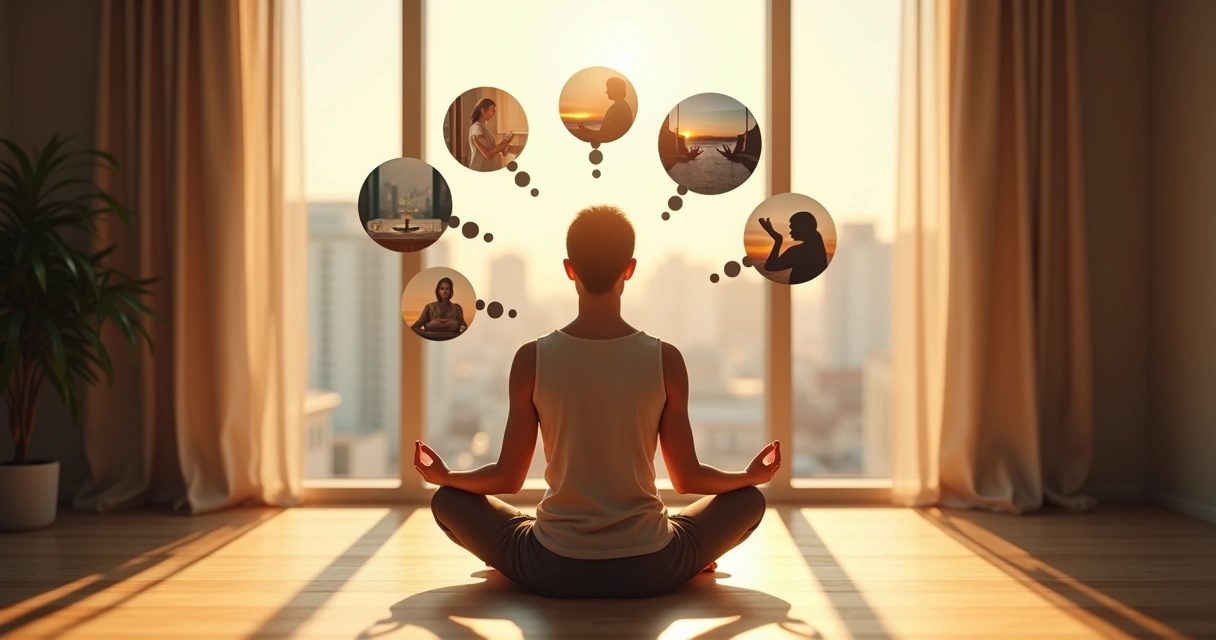
In our experience, the distinction in emotional work is significant. Mindfulness often guides us to observe emotions, let them rise and pass, and avoid attachment or aversion. People sometimes report a sense of detachment or distance, which can help with overreacting, but may also leave deeper emotional patterns untouched.
Marquesian meditation sees emotions as windows into the roots of our choices. Rather than simply witnessing, we are invited to understand, name, and (where necessary) transform these internal states—a process that asks for honesty, humility, and active participation. This transformation isn’t about suppressing or ignoring, but refining and redirecting emotional energy into wise action.
- Mindfulness: Watch, allow, and let go of each feeling. Be present with what is.
- Marquesian meditation: Notice, inquire, and work with each feeling’s meaning—seeking evolution, not only observation.
This difference shapes how we handle real-life conflict, self-sabotage, and relationships. Where mindfulness may help you notice anger and let it dissolve, Marquesian meditation seeks to trace anger to its source, question its roots, and use the insight to make ethical decisions.
Ethics and responsibility at the core
We find that a distinct element of Marquesian meditation is its explicit link to ethics and systemic responsibility. The practice is not simply about individual peace or relief from anxiety. From the beginning, the meditator is encouraged to reflect on the ethical ground of their choices, the maturity of their presence, and the chain of impact that follows.
Every pause, every inner shift, asks not just “How do I feel?” but “What is the effect of my presence on those around me?” This ethical thread runs through each stage:
- Rooting our decisions in conscious intent
- Evaluating the systemic impact of our choices
- Measuring success by personal growth and human climate—not only by immediate relief
The difference may seem subtle, but we believe it’s actually huge. Where mindfulness traditions sometimes end with the individual, Marquesian meditation expands outward, integrating self-awareness with the quality of leadership, relationships, and wider social fabric.
Ethics is not an afterthought; it is the heartbeat of conscious presence.
A practical contrast: The inner movement
To make these distinctions clearer, consider a typical meditation session focused on stress. A generic mindfulness practice might sound like:
- Notice your breath.
- Feel tension in your body without judgment.
- Let any stressful thoughts come and go, watching them like clouds.
A Marquesian meditation, when approaching the same root cause, would instead bring active inquiry:
- Recognize the tension, and then ask: What is truly beneath it?
- Identify the emotion, and consider: How has this run my decisions or shaped my relationships?
- Set the intention to transmute the root cause—not just tolerate it, but learn and mature from it.
- Envision contributing to a healthy environment for others, from the clarity gained.
The process goes from passive acceptance to transformation and ethical engagement—a meaningful difference when facing real-world complexity.

The systemic and collective gap
We have noticed that while mindfulness may anchor and soothe the individual, it can often overlook the larger system in which we live and act. Marquesian meditation, by contrast, is built to widen our scope beyond personal well-being—to include our families, teams, organizations, and all social circles where decisions leave a trace.
- Context matters: Choices ripple out.
- Your consciousness shapes climate, culture, and impact well beyond your own mind.
From this lens, meditation is not just self-care, but a foundation for sustainable leadership and responsible growth in any environment.
We do not meditate to escape the world. We meditate to meet it, change it, and care for it.
Conclusion
When we consider the contrasts between Marquesian meditation and traditional mindfulness, three gaps stand out: intention, transformation, and systemic responsibility. While mindfulness practices can bring calm and clarity, Marquesian meditation calls us to ask deeper questions, work with emotions as guides for maturity, and choose actions in line with our values. The result is not just a quieter mind, but a more conscious presence—capable of sustaining healthy relationships, ethical leadership, and meaningful impact. For those seeking not only relief from stress, but genuine growth and positive influence, this approach offers a clear way forward.
Frequently asked questions
What is Marquesian meditation?
Marquesian meditation is a structured contemplative practice that combines present-moment awareness with ethical inquiry, emotional development, and systemic responsibility. It aims to move beyond calm observation and toward a conscious transformation of the way we think, feel, and act in the world.
How does Marquesian meditation differ from mindfulness?
Marquesian meditation differs from mindfulness in its focus on active transformation, ethical engagement, and the impact of our inner state on broader systems. While mindfulness emphasizes moment-to-moment acceptance and observation, Marquesian meditation calls us to reflect, transform emotions, and make choices that ripple positively into our relationships and communities.
Is Marquesian meditation worth trying?
If your goal is more than stress relief—if you’re looking for deeper personal growth, responsible action, and a practice grounded in ethics—then Marquesian meditation can offer unique benefits. Many of us have found that it brings more clarity, balance, and meaningful change into our lives.
Where can I learn Marquesian meditation?
Marquesian meditation can typically be learned through books, expert-led workshops, and guided audio or video sessions. Seek qualified instructors or reliable materials to ensure you receive both the theoretical understanding and practical approach behind the method.
What are the benefits of Marquesian meditation?
Marquesian meditation often leads to increased self-awareness, emotional maturity, clearer decision-making, healthier relationships, and a deep sense of connection between personal actions and their wider impact. People also report reduced stress, greater inner stability, and a purpose-driven sense of well-being that extends into their everyday lives.