

In partnerships, we expect shared vision and progress. Sometimes what we get is tension, confusion, and deep discomfort. What happens when one or both sides feel their core values are at risk? The collision of different ethics is not a rare event in business partnerships—it’s almost bound to happen as organizations and individuals bring their unique backgrounds into every decision and interaction.
Different values shape how we see right and wrong in unpredictable ways.
Value clashes reveal themselves in many ways: disagreements about transparency, approaches to social responsibility, or even attitudes toward risk and reward. When these moments arrive, how we respond can remake or break the partnership itself. We believe it’s not just about finding a middle ground. It’s about recognizing, understanding, and respecting the deeper forces that steer our choices and fears.
The roots of ethical differences
Ethics do not form in a vacuum. They’re shaped by our personal histories, cultures, and even the subconscious lessons absorbed early in life.
- Personal upbringing and beliefs – What we witnessed as children colors our expectations of fairness and loyalty.
- Organizational culture – Workplace environments set the “unspoken rules” of what is considered admirable or off-limits.
- Industry standards – Each sector often builds its own ideas about acceptable boundaries for conduct.
- Societal norms – Broader social trends, laws, and public debates filter down and mold even the “small” decisions.
When partners come together, these backgrounds travel with them, sometimes quietly, until a tough call wakes differences up.
Identifying the signs of a value clash
Clashes are rarely announced. Instead, we notice rising stress, awkward silences, frequent questioning of motives, and sometimes subtle sabotage or withdrawal. In our experience, there are common warning signs:
- Unexpected resistance to decisions that seemed straightforward
- Mismatched priorities or surprising pushback on “harmless” changes
- Repeated conflict over communication styles and decision transparency
- Anxiety about public perception of the partnership
Early detection relies on noticing shifts in tone, engagement, and body language, even before direct conflict occurs.

Why value clashes threaten partnerships
Partnerships grow on trust and shared direction. When values collide, that foundation starts to crack. We have often seen these specific consequences:
- Mistrust grows, stalling decision-making or turning collaboration into competition
- Staff on both sides may be pulled into “sides,” polarizing team culture
- Outcomes suffer as energy shifts from growth to defending beliefs
- Reputation risks increase if a disagreement spills out publicly
Most deeply, though: a clash of values often forces us to re-examine priorities. Sometimes what seemed negotiable at first becomes non-negotiable in practice. It’s not only about who “wins,” but about what each side is willing to do or not do just to keep things moving.
Approaches to addressing value clashes
How can partners respond when they sense ethical worlds colliding? There is no universal solution, but certain steps can prevent lasting harm and even create new understanding. Based on our work and observation, these steps help:
1. Acknowledge—not avoid—differences
The worst damage often comes from pretending differences do not exist. Sensitivity is not weakness; it’s a sign of respect. We often open conversations like this:
“I sense we’re not seeing eye to eye on this. Can we name what’s really on the table?”
2. Listen with curiosity, not judgment
Ethical tension offers a powerful chance to learn how our own and others’ histories shape business choices. Before we argue or “correct,” we encourage everyone involved to share the origins and meaning behind their position. This focuses the conversation on learning rather than only persuading.
3. Clarify non-negotiables and areas for flexibility
Not every value is absolute. We identify what really cannot be compromised and what is actually a preference, habit, or fear in disguise. This calls for honesty with ourselves, not just with others.
- What are our absolute “lines in the sand?”
- Which rules have nuance or room for new agreements?
Writing these out, even privately at first, brings clarity.
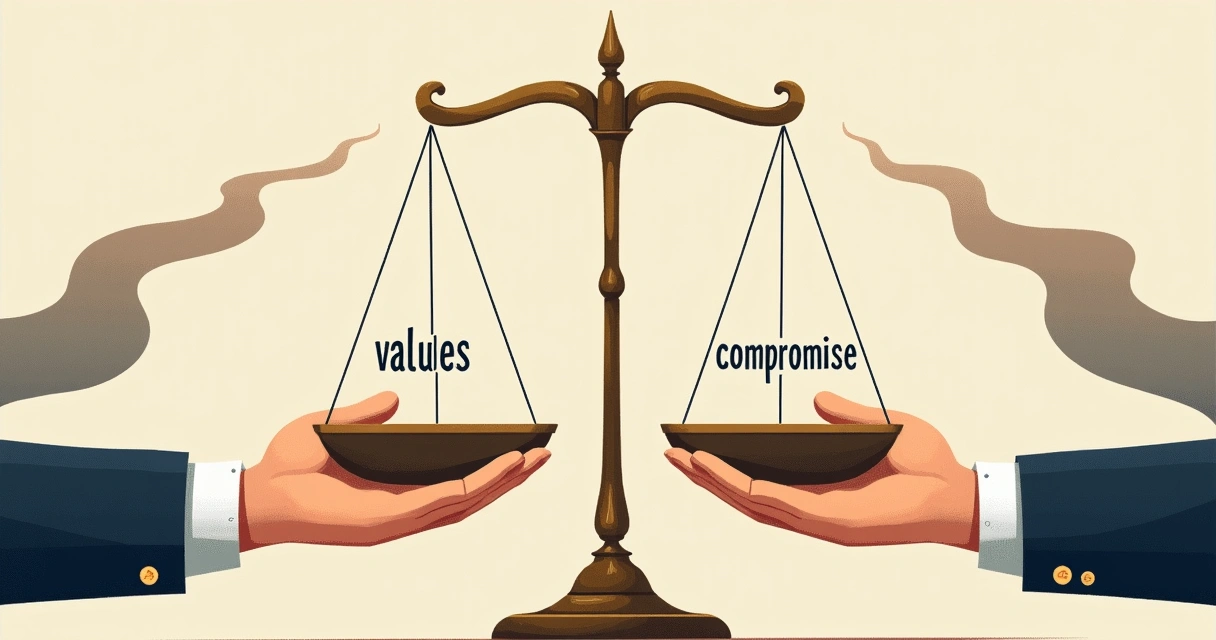
4. Seek shared principles—not just shared rules
Sometimes, both sides can’t get everything they want. But beneath the surface, there may be shared principles: respect, transparency, responsibility, or care for the community. We often propose reframing the disagreement by focusing on values we both care about, then brainstorming new approaches that honor those.
5. Use a neutral facilitator if needed
When emotions run too high, bringing in a neutral third party lets both partners share openly without fear of being judged or “losing.” This is not a sign of failure, but an investment in clarity and trust. Even when it feels slow or awkward, it’s often the best path back to clarity.
6. Establish a process for revisiting agreements
Values and priorities can shift over time. We always recommend setting a formal time—once a quarter, for example—to discuss whether current agreements still fit where each side is. This regular check-in normalizes ethical conversation instead of making it a rare source of drama.
The opportunity in disagreement
It is easy to see value clashes as a threat, but they also offer a hidden chance for everyone involved. Facing differences invites us to refine our own ethics, update stale rules, and build partnerships that are more real and resilient.
One partnership in our experience began with generous optimism, only to be shaken by a rift over how to handle client data. Instead of walking away, both sides entered a hard but honest dialogue, asking, “What does responsibility mean to us?” Through this process, they not only reached a compromise but also redefined their partnership and set new standards they were proud of. The trust forged in that moment lasted much longer than the original disagreement.
True partnerships are forged, not found. Clash is part of the process.
Moving forward: When is it time to let go?
What if compromise is not possible? Sometimes, after every honest effort, values remain too far apart. The risk of continuing may outweigh the rewards. Signs that parting ways is right can include:
- A sense that alignment is surface-level or forced
- Repeated breaches of mutual respect or stated values
- Loss of trust that efforts to restore cannot repair
- Stakeholder harm or legal risk
Exiting a partnership in these cases is not an admission of defeat—it is often an act of integrity. By openly sharing what has not worked and parting on clear terms, both sides can move forward stronger for the lesson.
Conclusion
Handling value clashes in partnerships asks a lot of us: honesty, patience, humility, and courage. The path is rarely easy. But when we face differences with openness—seeking both to understand and be understood—we transform conflict into a deeper bond or a respectful parting. Partnerships that do this earn not only results, but resilience and pride in how those results are achieved.
Frequently asked questions
What is a value clash in partnerships?
A value clash in partnerships happens when two parties discover that their core beliefs or ethical priorities conflict in ways that affect decisions, actions, or trust. This can show up as disagreement on transparency, social responsibility, risk-taking, or workplace conduct. The impact may create tension, delay action, or endanger the stability of the entire partnership if not addressed.
How can I handle conflicting ethics?
To handle conflicting ethics, start by acknowledging the difference openly. Listen with real curiosity to understand where the other side is coming from, and be honest about your own values and limits. If needed, seek neutral support to mediate, and focus on building solutions based on shared principles rather than rigid rules. Clear, respectful dialogue is the strongest foundation when facing an ethical conflict.
What are common ethical conflicts in teams?
Typical ethical conflicts in teams involve data privacy concerns, unequal treatment or favoritism, clashing ideas about workplace transparency, disagreement over environmental or social obligations, and uneven willingness to take risks for profit. These differences can lead to mistrust or disengagement unless discussed openly and constructively.
Is it worth continuing after value clashes?
Sometimes yes, sometimes no. If both sides recognize the clash and are willing to engage honestly, partnerships can emerge much stronger and even create new standards for the future. But if the core values are non-negotiable and remain irrevocably opposed, continuing may cause more harm than good. Mutual respect and shared vision must remain at the center for any partnership to survive value clashes.
How to prevent value clashes in partnerships?
Preventing value clashes starts with clear communication before the partnership even begins. Discuss big-picture principles and non-negotiables, create written agreements, and regularly revisit those expectations. Prioritize openness, and don’t wait for a crisis to bring differences into the light. The earlier each partner’s core ethics are understood and respected, the healthier and more resilient the partnership will be.